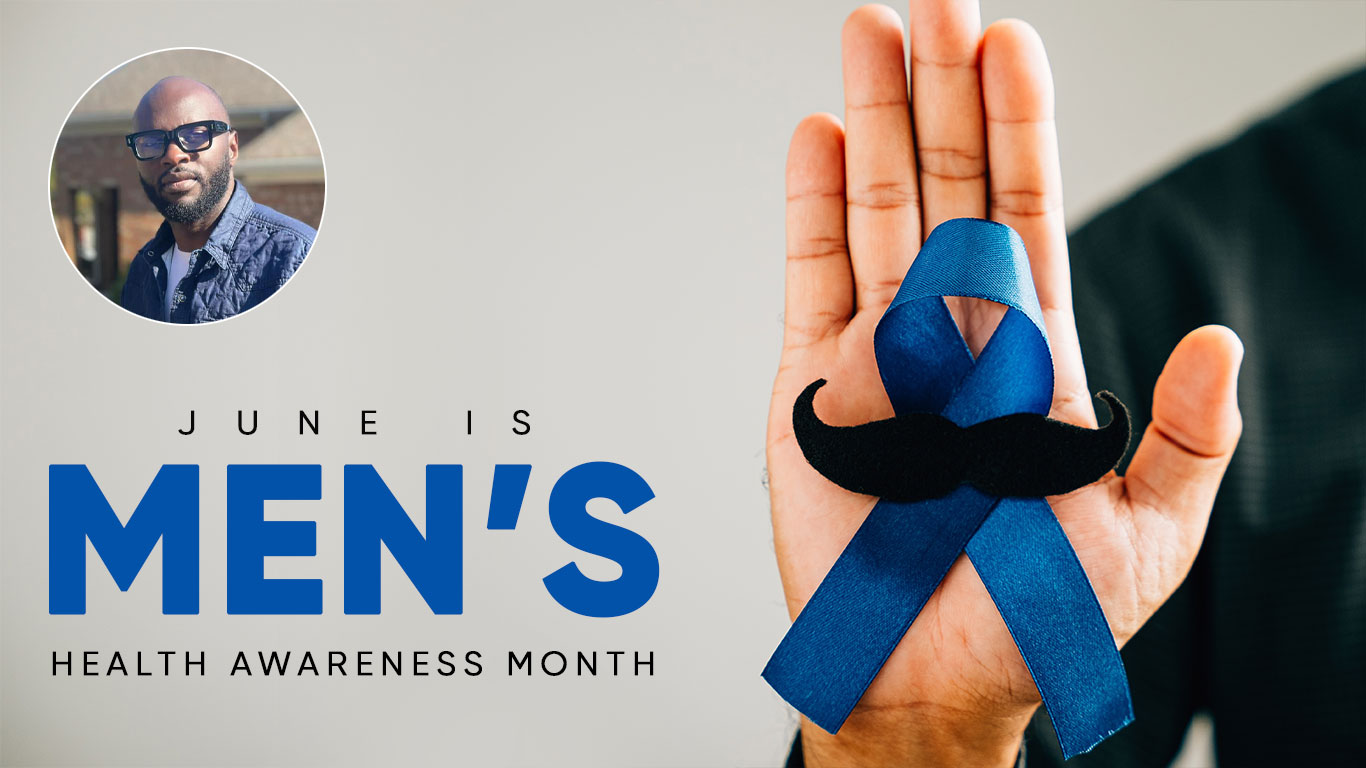
June marks the annual observance of Men's Mental Health Awareness Month, shedding light on the critical factors impacting men's psychological well-being globally.
Data compiled from the World Health Organisation underscores several systemic and cultural barriers that men face regarding mental health care.
A primary concern is that men face significantly higher suicide rates than women. This crisis is compounded by a widespread reluctance to seek professional assistance, with data showing men are generally less likely to ask for help when dealing with mental health issues.
Societal expectations play a major role in this reluctance, as deep-rooted masculine norms actively discourage individuals from seeking help.
Furthermore, an emphasis on self-reliance frequently delays the decision to look for support, while emotional suppression further blocks open discussions about mental struggles.
Beyond cultural expectations, external socio-economic pressures heavily influence men's psychological state. Financial stress is identified as a major factor that directly harms men's mental health. On a broader scale, societal inequality increases overall mental health risks.
Navigating the healthcare system presents additional hurdles, as limited services continuously restrict access to necessary care. However, the data highlights a clear path forward: the presence of trusted support acts as a powerful catalyst that encourages help-seeking behaviors among men.
Addressing these interconnected issues—from cultural norms to institutional limitations—remains central to improving health outcomes during this awareness month and throughout the year.